Follow Us x

Southern Louisiana's Local Roofing Company
40+ Years Of Experience
Fully Licensed and Insured
Saint Mary Parish: 337-923-0090
Iberia Parish: 337-369-3630
Lafayette Parish: 337-984-5130
Houma: 985-223-1068
Haughton: 318-230-3573
New Orleans: 504-896-9094
Baton Rouge: 225-925-2090
After 40+ years of experience, we know everything there is to know about roof repair and replacement in New Iberia, New Orleans, Lafayette, LA and all surrounding Southern Louisiana communities. By the time we're done with it, your roof will look better than it ever did before. We are a BBB-accredited company serving all of Southern Louisiana.
We are licensed and insured, so you won't have to worry about any damage occurring while we're working on your home or commercial building. Our state license number is 52098.
If you're looking for reliable roofing services in Southern Louisiana, look no further! Our team has 40+ years of residential roofing and commercial roofing experience. Whether you're looking for a simple roof repair, have a leaking roof, or may need a full roof replacement, or team can handle jobs of all sizes. Our emergency roofing team can even help with your roof insurance claim if you're had a storm-damaged roof. Our local roofing contractors work with all roofing systems, including residential shingle roofs, metal roofing systems, commercial flat roofs and more!

Count on the roofing contractor who's seen it all. We have experience with all kinds of challenges and tricky situations. Roofs present a lot of structural issues, and we know how to deal with all of them. We'll make sure your roof is sealed tight against wind and rain, sturdy enough to hold up to time and completely intact.
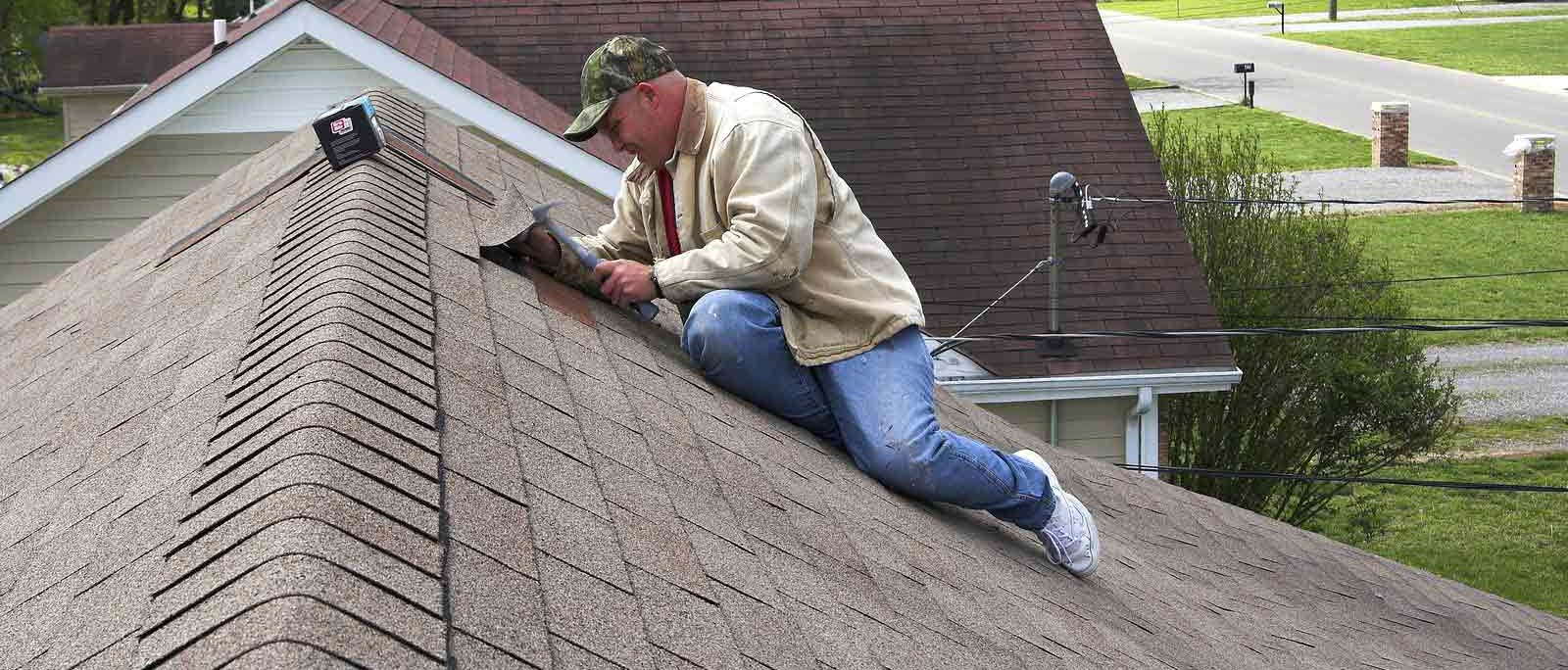
Is there a leak in your roof? Don't panic, just call Ford Roofing Service. We'll patch over the hole and prevent any further water damage to your home. Problems with your roof don't mean the end of the world. You can trust us to take care of everything from minor cracks to missing shingles.
By putting your faith in a qualified roofing company, you can rest assured that your roof is in good hands. For both residential roofing and commercial roofing, we've got you covered. We even help you figure out your insurance claim when your roof has been damaged in a storm. We can take on your:
- Metal roof installation
- Flat roof repair
- Commercial roof repair
- Storm damage repair
- Roof leak repair
- Shingle roof replacement
Contact us now to speak with a roofing contractor in Lafayette, New Orleans or New Iberia, LA.